

 |
The olive tree is an important element of the Mediterranean vegetation and cultural landscape and shows alternation,ie:
its fruit yield fluctuates every two years. This applies in Olive, only the supporting branches, while the non-bearing
buds begin next year. For this reason, experienced growers cut their trees just off the harvest by, as far as cut away
the branches that have borne as useful and leave the others are, so that they can wear next year.
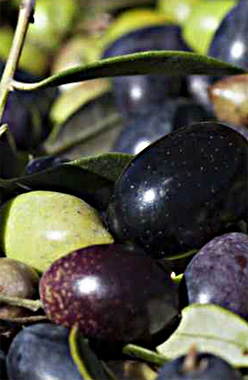
The olive fruit is very important to the Mediterranean diet, as well as the pressed result: the olive oil. The olive fruit is a
wonderful source of monounsaturated fatty acids. The olive is pressed to 90% to olive oil, preferably cold (not higher than 33 ° C).
Olive oil contains fibers and minerals and is a source of vitamin E, a natural antioxidant. It is also believed that vitamin E slows
the decrease of cell membranes and combat osteoporosis. Throughout the Mediterranean, there are many oil producing regions of museums
that show exhibits for the cultivation and harvesting of olives and olive oil. One of the most famous Greek olives museums is the Olive
Museum in Sparta. The network comprises "Museums Olive Mediterranean" currently more than 15 museums throughout the Mediterranean.
The thematic network "olive" supports a variety of activities in
more than 15 collaborating centers for environmental education,
and initiativeEnvironmental programs in more than 100 primary
and secondary schools across the country.
sources:
wikipedia (English)
Meli Malisiova
apiculture | agriculture
